


Phoenix, AZ
Schedule
8:00 AM - 9:15 AM
The promise of AI in group health, retirement and other benefits is alluring—faster, more efficient processes with fewer errors and lower costs, leading to improved employee engagement. Get an insightful and in-depth look at AI’s utility in areas such as benefits design, administration and communication, and emerging trends. Learn how plan sponsors and service providers can assess chatbots, predictive analytics, large language models and other AI tools while forming actionable strategies to safeguard data and maintain fiduciary oversight in this rapidly evolving landscape.
9:30 AM - 10:30 AM
Navigate the latest federal and provincial legislative changes affecting group benefits and pension plans. This session covers new regulations, pending proposals and compliance requirements impacting Canadian plan sponsors and providers as well as what you need to know to be prepared and compliant.

9:30 AM - 10:30 AM
Get essential insights on federal legislation impacting health and retirement plans. This session discusses recently enacted laws, pending proposals and regulatory guidance affecting plan sponsors and providers. Learn which changes require immediate action, what's on the horizon and how to stay compliant while these developments unfold.

11:00 AM - 12:00 PM
This presentation will focus on practical ways to connect benefits strategy with financial performance, risk management and long‑term value creation. Learn how to speak the language of finance, build data-driven business cases and create ongoing governance rhythms that keep the CFO actively involved in designing and monitoring health plans. This session will highlight collaboration practices that align HR, finance and executive leadership around shared goals for cost, competitiveness and employee experience.
Takeaways:
- What the CFO cares about
- How the CFO can contribute to improved benefit outcomes
- How (and when) to get the CFO’s attention
-
 Dean Jargo
11:00 AM - 12:00 PM
A national retailer with 3,000+ employees faced escalating health care costs driven by musculoskeletal injuries, disability claims, workers' compensation losses and absenteeism. Traditional, siloed reporting missed identifying critical patterns across medical, pharmacy, disability and absence data. AI-driven analytics integrated these sources using de-identified, HIPAA-compliant data, revealing MSK injuries as the driver of $8 million in projected annual costs. Instead of cutting benefits, the employer implemented prevention strategies: athletic trainers familiar with physically demanding retail roles, redesigning equipment and workflows, and improving early intervention pathways. Over 24 months, the organization avoided $6-7 million in claims, reduced workers' compensation incidents, shortened disability durations, and decreased surgeries and opioid use.
Takeaways:
- Traditional, siloed reporting obscured the role of MSK injuries in cost escalation.
- The largest savings came from prevention, not benefit reductions.
- Health benefits became a measurable workforce performance strategy.
-
 Steve Butterworth
 -
 Nikki Petrazzuolo Whitaker, M.A.
11:00 AM - 12:00 PM
Get an overview of recent IRS and DOL guidance, including that on alternative investments in retirement plans, proposed regulations on the SECURE 2.0 requirement that participants be given paper benefit statements, and the update to the IRS’s Employee Plans Compliance Resolution System (EPCRS), along with other relevant SECURE 2.0 guidance and other retirement plan developments.
Takeaways:
- Considerations relating to “alternative investments” in retirement plans
- Impact of changes under the IRS correction program (EPCRS)
- Tips for complying with the new paper statement requirement

1:30 PM - 2:30 PM
Does AI help fiduciaries meet ERISA obligations, or does it create new compliance risks? This session examines real-world AI applications across benefits administration, then explores the fiduciary implications. Learn how AI tools intersect with duties of loyalty, prudence, diversification and plan compliance.
Takeaways
- Current and anticipated uses of AI across the industry
- Advantages and risks of AI
- Fiduciary obligations related to the use of AI
-
 Allison Bans
 -
 Sara Van Houten
1:30 PM - 2:30 PM
It can be difficult to successfully support an individual in returning to work following injury, illness or mental health leave. This session aims to make the transitions easier for all parties involved. From employers to employees to insurers, everyone plays a part in helping someone return to work in a safe and sustainable manner, thus reducing the cost and impact of an absence. With a little clarity and understanding of the process and requirements, including from the legal perspective, we can have an inclusive workplace with reduced costs of absenteeism.
Takeaways
- How to support an employee returning to work from an injury or absence
- How accommodations and disability management programs can be implemented
- How to collaborate to streamline the process leading to more positive outcomes

1:30 PM - 2:30 PM
This session explores what truly drives health care costs—not just prices, but overutilization and disengagement rooted in behavioral factors. Rather than viewing benefits as mere coverage, it examines how mindset, emotions and workplace culture shape health decisions. Designed for benefits and HR professionals, this session reveals how stress, decision fatigue, caregiving demands and cultural mistrust influence workers' health care choices—leading to delayed care, absenteeism and turnover. It reframes poor health engagement as a performance indicator affecting outcomes and retention. Learn why preventive services remain underused and why costs climb despite generous plans. Leave with practical approaches to transform benefits from reactive cost management into proactive workforce performance investments.
Takeaways
- How emotional load, mindset patterns and cultural stressors directly influence health care utilization, claims, absenteeism and performance
- Financial and operational impact of disengaged health behaviors on benefits ROI, productivity and retention
- Strategic frameworks to improve benefits engagement, workforce well-being and organizational resilience
-
Michelle Greene
1:30 PM - 2:30 PM
Workplace emergency savings accounts (ESAs) are gaining attention as complements to retirement plans, yet many benefits professionals lack data to evaluate their strategic role and whether ESA participation reduces retirement plan participation. This session presents data-driven research, analyzing employee surveys and administrative data, and examines the relationships between emergency savings balances, financial well-being, employee satisfaction, retention and retirement savings behavior. Findings indicate that ESA participation is not associated with reduced retirement savings, often coinciding with stable or increased contributions. This session addresses research scope, limitations, sample size considerations and appropriate interpretation to avoid overstating conclusions. It also explores implementation approaches and drivers of employer adoption.
Takeaways
- The research regarding financial well-being, retention and retirement contribution behavior
- How ESA design influences participant outcomes
- Assessment of emergency savings within a retirement-focused strategy
-
Devin Miller
2:45 PM - 3:45 PM
Cancer care is one of the most complex and costly areas of health care spending, yet not all cancers carry the same clinical, financial or care coordination challenges. Explore how distinct types of cancers—such as high-incidence cancers, aggressive late-stage diagnoses, and rare or complex cancers—drive vastly different care needs and cost patterns. Learn how to move from a fragmented, one-size-fits-all approach to a more focused cancer strategy, aligning benefits, care pathways and vendor solutions to the specific cancer types that matter most in your population. Whether you're designing a new cancer benefit or refining an existing strategy, get practical guidance to improve outcomes, enhance the employee experience and better manage rising cancer-related costs.
Takeaways
- Cancer types that drive the greatest clinical complexity and cost in employee populations
- How care needs and benefit strategies differ across high-incidence, aggressive and rare cancers
- Targeted interventions that align care and improve outcomes for specific cancer types

2:45 PM - 3:45 PM
Rather than discuss best practices and operational checklists for your retirement plan, how about an interesting twist on a classic topic? This session will cover the Top Ten "Don'ts" for operating a successful retirement plan. Through a series of the worst of the worst audit findings, we'll help you to remember what NOT to do so that you can keep your plan operations on the straight and narrow path.
Takeaways
- How quickly common operational errors add up to large employer-funded corrective contributions
- Proper levels of oversight by the Retirement Plan Committee and what questions to ask
- Best practices to implement to prevent or quickly detect operational errors
-
 Crystal Coleman, CEBS
2:45 PM - 3:45 PM
In today’s rapidly developing investment environment and geopolitical landscape, resilience has become a defining advantage. Private infrastructure asset class fundamentals are fueling strong momentum in fundraising and performance, while a growing opportunity set—including a capex supercycle behind increased energy demand, energy security and energy transition—is reshaping where and how capital is invested. In this dynamic context, scale, access to capital, and a proven capital deployment and asset management framework are foundations to take advantage of the opportunity.
Takeaways
- Asset class fundamentals driving fundraising and performance momentum
- The growing private infrastructure opportunity set for essential services and skilled labor
- Building resilient portfolios to provide diversification and mitigate geopolitical uncertainty
-
 Michael Hatzopoulos
2:45 PM - 3:45 PM
This session outlines the key documentation required to support both acquisitions and potential divestitures. Learn what materials to request from acquisition targets, as well as which documents should be maintained internally to ensure divestiture readiness at the division level. The discussion will also highlight critical compliance considerations—explaining why certain documents must be requested, developed and properly retained— and explore the high-level considerations for effectively integrating acquired businesses into the broader organization.
Takeaways
- The core distinctions among transaction types and where the most significant financial and compliance risks exist.
- Documents that should be readily accessible for divestitures or requested from potential targets.
- Understand the rationale for requesting specific documents.
-
 Laura Cross
 -
 Jacque Scanlon
 -
 Elizabeth Sennett, CEBS
4:00 PM - 5:00 PM
Burnout is often invisible until it becomes overwhelming, starting with small things and building with constant pressure to perform, lack of boundaries, and drained energy and enthusiasm, which often leaves people tired, disconnected and struggling to cope. Employees stop going above and beyond, often referred to as “quiet quitting,” not out of laziness but to protect their mental health. Through personal experience and other real-world examples, learn about the need for intentional change, setting boundaries, prioritizing self-care, redefining success, and how balance isn’t a luxury, it’s critical for long-term sustainability.
Takeaways
- Recognizing the early warning signs of burnout to help yourself and your employees
- How to overcome quiet quitting by setting limits before things become overwhelming, improving engagement and productivity
- Creating sustainable habits and balance for your employees and yourself

4:00 PM - 5:00 PM
Direct-to-consumer (DTC) drug advertising drives employees to request brand-name medications without understanding costs or alternatives, while rebate-driven formularies influence pricing and perceived savings. For employers, these forces collide, impacting pharmacy spend, member experience and plan sustainability. Explore how drug marketing shapes utilization patterns and how rebate structures can contribute to higher list prices and out-of-pocket costs. Get a practical understanding of total plan cost dynamics, member disruption and administrative burden. Rather than debating merits of DTC, you’ll get actionable strategies to align pharmacy strategy with financial and workforce goals.
Takeaways
- The real impact of drug advertising on utilization and cost
- Look beyond rebates to evaluate true pharmacy value
- Practical strategies to balance cost control and member experience
-
John Drakulich
4:00 PM - 5:00 PM
Many retirement plan sponsors rely on ad‑hoc processes when operational or compliance errors are identified. As plan complexity increases, the absence of documented, plan‑specific correction processes can lead to inconsistent outcomes, delays and increased risk. A plan‑specific “fix‑it guide” supports the timely identification, evaluation and correction of common errors. Learn how to align internal correction procedures with existing regulatory frameworks, integrate plan document provisions into operational guidance, and determine which issues can be self‑corrected and which require escalation. The discussion will focus on practical considerations, governance benefits and lessons learned from creating a fix‑it guide intended to be used as a living operational tool rather than a static compliance reference.
Takeaways
- Where self‑correction may be appropriate within existing regulatory correction frameworks
- How to incorporate plan document provisions, operational realities and escalation thresholds
- How documented correction processes support fiduciary governance, reduce reactive corrections and promote consistency

4:00 PM - 5:00 PM
As the U.S. continues to face increasing deficits in areas like hearing, vision and dental care, virtual ancillary services are becoming critical tools for improving access and affordability. Explore how virtual care solutions can help you deliver comprehensive ancillary benefits in a cost-effective, scalable way. We will also examine the value of over-the-counter (OTC) services versus in-person visits and how virtual platforms can complement both. Learn how to deliver a seamless experience that meets evolving expectations for health care access while enhancing employee and retiree satisfaction and support.
Takeaways
- Growing hearing, vision and dental problems across generations is driving demand for more accessible and affordable care
- How virtual care options complement existing ancillary benefits while improving employee engagement, productivity and satisfaction
- Create a modern, consumer-focused, high-value, low-cost ancillary benefit strategy
-
Jie Feng
-
 Dale Paustian
 -
 Michael Reha, CEBS
8:00 AM - 8:30 AM
-
 Brad Mandacina, CEBS
8:30 AM - 9:30 AM
AI adoption raises governance and ethical concerns. Establishing high-level principles can guide responsible use and minimize conflicts. Learn what it means to adopt AI governance and to build trustworthy AI in Canada with practical steps, considerations and tips to implement your own.
Takeaways
- The current Canadian legislative landscape on AI in relation to other countries
- How to start an AI governance program
- Learn how to establish trustworthy AI in your organization
-
 Nicholas Hsu, CEBS
8:30 AM - 9:30 AM
A guide to navigating the most important benefits-related legal decisions in the U.S., this session provides an overview of important developments, regulatory challenges and corporate governance, along with guiding principles and cases that illustrate their necessity.
10:00 AM - 11:00 AM
Join a discussion of the evolving state of Mental Health Parity and Addiction Equity Act’s (MHPAEA) enforcement and regulatory priorities. But, beyond the frustration of vague legal requirements is the fact that people cannot be divided into silos of medical and behavioral health needs. This session will focus on how large health care systems are building connections that support comprehensive, cost-effective and high-value solutions for a healthy workforce that can be used in any industry.
Takeaways
- Fresh insights into responding to MHPAEA regulatory enforcement and lawsuits
- “One Body, One Heart”—Addressing the behavioral health crisis affecting the whole person and whole family
- How to evaluate and advocate for behavioral health programs to the C-suite
-
Maracie Wilson
-
 Heidi Alessi
10:00 AM - 11:00 AM
Benefits leaders are flooded with trend decks—mental health, flexible work environment, financial wellness, physical well-being—yet employee disengagement, burnout and mistrust persist. Too often, programs are designed to treat symptoms (stress, absenteeism, low engagement scores) without addressing the underlying drivers: financial precarity, caregiving strain, moral injury at work, unresolved trauma, and a lack of psychological safety and trust. Explore how to combine quantitative data with qualitative insight to identify what people are actually struggling with. Connect these insights to practical plan-design levers and gain tools to reframe conversations around what truly moves outcomes for your population.
Takeaways
- Differentiate symptoms and root causes using data and employee feedback
- Transfer findings to health, time off, income protection, financial security and mental health access benefits
- Evaluate and partner with vendors in a way that avoids “care washing” for real impact on employee well-being and engagement

10:00 AM - 11:00 AM
The committee structure is now a standard governance practice for fiduciaries of both retirement and health plans. But what should the retirement committee look like, and how should it actually function? How does the committee know that its actions are “prudent,” as required under ERISA? This session will explore best—and worst—practices in creating and operating your fiduciary committee.
Takeaways
- Identify the key factors in creating and staffing fiduciary committees
- Learn best practices for the operation of committee meetings
- Understand what makes actions "prudent" within the meaning of ERISA

10:00 AM - 11:00 AM
Women interact with benefit plans more frequently and across more categories than any other population, yet women’s health is rarely treated as a distinct plan-wide consideration. In addition, benefit plans are experiencing increased ADHD medication claims among female members, particularly in midlife. The result is that care is addressed in silos—mental health here, drugs there, disability later—leaving plans reactive rather than strategic. This session explores how women’s health needs span multiple life stages and benefit categories, and why traditional benefit structures struggle to support continuity, early intervention and effective navigation.
Takeaways
- How early, integrated and navigated support can improve outcomes and control downstream costs
- Key drivers behind rising ADHD drug claims among women, including delayed diagnosis and menopause-related cognitive symptoms
- Why fragmented, siloed benefit designs without continuity or coordination increase utilization, delay care and drive higher costs

11:15 AM - 12:15 PM
Explore how the integration of defined benefit (DB) and defined contribution (DC) programs can be leveraged to attract, retain and efficiently manage talent within organizations. By creating a holistic retirement program, employers can address the diverse needs of their workforce, enhancing overall satisfaction and loyalty. Examine the distinct purposes of DC and DB plans, highlighting how each contributes to employee financial security. Special attention will be given to hybrid plan types, which combine features of both DB and DC plans, and the reasons behind their growing popularity in today’s market. Finally, gain key discussion points for organizations looking to design a comprehensive retirement strategy that supports long-term talent management goals.
Takeaways
- Advantages and limitations of DB, DC and hybrid plans in supporting organizational objectives and employee needs
- How a holistic retirement program is a strategic tool for talent attraction and retention
- Practical insights and actionable steps for your organization’s retirement program to improve employee satisfaction and efficiency

11:15 AM - 12:15 PM
Benefit professionals must master the complexities of numerous overlapping leave laws. With timely new examples, this session focuses on how to administer health benefits during leaves, including leaves under FMLA and USERRA, and provides an overview of the key issues that arise. We will also discuss the interrelationship between federal and state leave laws. The program will address which benefits employers must offer, for how long and who must pay for them, and it will discuss how to administer cafeteria plan elections during leaves. Designed to answer common questions, this program will include examples, best practices and action items.
Takeaways
- How to administer health benefits during an employee’s leave
- The interrelationship between various leave laws
- Practical tips for compliance

11:15 AM - 12:15 PM
UFA completed an annuity buyout in 2023, reducing pension obligations by 50%. The transaction culminated years of preparatory work, including data cleanup, board discussions and budget planning. However, the most critical aspect was communicating the purchase to plan members. The plan included members whose combined employee-retiree connection exceeded 50 years. The team carefully planned communications, addressing practical matters like letter timing, accurate names and addresses. The central message: The annuity purchase served both plan sustainability and member benefit security. The communication journey revealed unexpected insights about how members valued their pension and viewed their employer relationship, with every step guided by keeping member questions, concerns and assumptions foremost.
Takeaways
- Timing is (almost) everything: Understanding the importance of a strong communication plan.
- Preparing for unexpected questions, drafting an FAQ and being available to respond
- That plan members value their plan highly, but not exactly in the way you might expect
-
 Brian Wemp, CEBS
11:15 AM - 12:15 PM
A passive approach to specialty care—including surgery, cancer care and infusions—is no longer sustainable, accounting for 50% of health care spend and skyrocketing premiums. Learn how one company partnered with an independent center of excellence to launch an innovative specialty care benefits program, steering employees to high-quality, no-cost care through strategic plan design. Hear real success stories demonstrating how surgery, cancer care and infusion programs serve as lifelines for members. Gain actionable strategies for providing personalized support, accelerating access to highest quality care, managing complex care coordination, and containing costs—all while maintaining a member-centric approach that helps employees navigate their health care journeys.
Takeaways
- How to measure true quality to ensure that employees are receiving the highest quality specialty care
- The vital process of coordinating comprehensive care
- Actionable steps to build a modern specialty care benefit that improves access, outcomes and costs
-
 Jason Tibbels
 -
 Zack Papalia
1:30 PM - 2:30 PM
This session examines the often-overlooked role that employer-sponsored benefits play in hourly workers' total compensation and financial stability. We'll quantify how benefits like health insurance subsidies, transportation stipends, tuition reimbursement and internet service discount programs effectively increase hourly workers' real wages—and how gaps in these offerings can push workers further from financial stability. Leave with frameworks for evaluating benefits packages through a living wage lens and strategies for making the case to leadership for enhanced hourly worker benefits.
Takeaways
- How specific benefits translate into equivalent hourly wage value for frontline workers
- Which benefit gaps most significantly impact hourly workers' ability to meet living wage thresholds in their regions
- Evaluating and communicating the ROI of enhanced hourly worker benefits to organizational stakeholders


1:30 PM - 2:30 PM
Hear a real-world approach to building and delivering financial education workshops that meet employees where they are in their careers and lead to meaningful action. Drawing on experience supporting a multi-employer group across the Farm Credit System, we’ll walk through two long-running workshops for early-to-mid career as well as mid-to-late career employees. We’ll cover how these workshops are designed, delivered and updated using participant feedback and outcome data, along with lessons learned after shifting from only in-person sessions using three-ring binders to both in-person and virtual delivery using e-materials. Gain practical ideas to apply right away for launching a new program or refreshing an existing one.
Takeaways
- Creating engaging financial education programs tailored to different employee needs, without selling or giving advice
- Choosing a delivery method and using pre-work and e-materials to boost engagement
- Using surveys, participant actions, and plan data to measure success
-
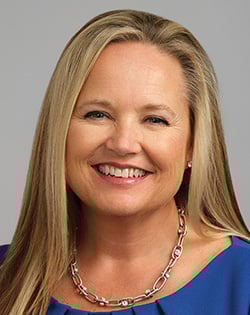 Karen Barnes, CEBS
 -
 James Miettunen, CEBS
1:30 PM - 2:30 PM
PBMs face unprecedented scrutiny as employers, brokers and regulators demand transparency around drug costs, spread pricing and rebate practices. This session demystifies next-generation PBM models—including pass-through, acquisition cost, direct-to-consumer, Cost Plus, direct-to-manufacturer pricing, 340B partnerships, PBM consortia and international mail order—exploring their function and savings. Learn to evaluate cost drivers, negotiate contracts eliminating hidden revenue and navigate essential compliance guardrails across ERISA fiduciary duties, DOL audit readiness, CAA disclosure obligations, HIPAA, HRSA (340B) rules, FDA/state importation regulations and emerging state laws. Discuss the current litigation environment around international mail order and governance practices that withstand regulatory review, with a practical framework for alternative pharmacy strategies.
Takeaways
- Implement simple guardrails in contracts and oversight and avoid common pitfalls that erode value
- Identify the primary pharmacy cost drivers and map which PBM levers realistically bend each driver
- Navigate state regulatory trends affecting PBM contracts and employer plans


2:45 PM - 3:45 PM
Exploring captives as a strategy for self-insured risk? This session examines how captives—a licensed insurance company owned and controlled by those it insures—can help businesses of all sizes achieve greater control, higher savings and customized program options. Topics will include sample structures, establishment and operation processes, and feasibility evaluation, stop-loss trends, captive growth patterns and pitfalls, structural variations and how stop-loss captives may benefit your organization.
Takeaways:
- The process of evaluating captive feasibility and establishing, managing and effective operation
- Captive mechanics including structure, operations, and potential for control, savings and customization
- The strategic value of benefit captives and how they are likely to evolve
-
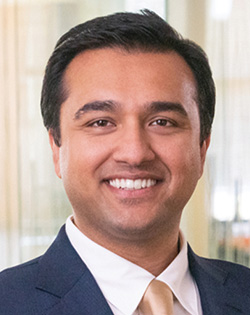 Prabal Lakhanpal
2:45 PM - 3:45 PM
Today, nearly one in four employees provides unpaid care for a loved one, a dual role that can reduce productivity, increase stress and contribute to turnover when left unaddressed. Evidence-informed, scalable support programs not only improve caregiver skill and confidence at home but also strengthen workforce retention and culture in employer and community settings. This session will unpack nine strategies that define effective caregiver initiatives, and will share innovative models and examples, including employer-focused caregiver support programs that help reduce absenteeism, reclaim work hours, and retain talent by blending empathy, accessibility and measurable outcomes.
Takeaways
- Practical steps to reduce isolation, prevent burnout and sustain employee engagement
- Recognizing diverse caregiver journeys
- How to measure success and demonstrate program ROI to stakeholders
-
 Tom Mudd
2:45 PM - 3:45 PM
Business succession remains a critical challenge, yet many owners lack viable solutions that preserve company values and community impact. This session explores employee stock ownership plans (ESOPs) as an alternative to private equity, using a real-world case study of an owner approaching retirement who chose employee ownership to maintain legacy and culture. The session examines business continuity, leadership transition, employee engagement, retention, wealth-building opportunities and community benefits through local ownership and economic stability. Discuss ESOP structure, eligibility, mechanics, establishment process, contributions, vesting and employee benefits, tax advantages and how to initiate ESOP conversations without being an expert.
Takeaways
- The role of ESOPs in business succession
- The steps, stakeholders and expertise required to successfully transition to employee ownership
- Recognize the financial, tax and community benefits of ESOPs
-
Dawn Hafner
-
 Gina Schaefer
2:45 PM - 3:45 PM
As mental health challenges drive costs and turnover, spiritual wellness—the pursuit of meaning, purpose and connection—is emerging as critical. Research confirms that spiritual well-being directly influences resilience, productivity and engagement. This session explores integrating spiritual wellness into benefits as measurable, trauma-informed, inclusive health—not religion. Drawing on case studies from the Employee Assistance Professionals Association and organizational neuroscience, it provides a roadmap for embedding meaning and purpose into EAP frameworks, leadership development and wellness offerings. Learn how addressing spiritual well-being reduces burnout, improves retention and delivers ROI within existing structures. Discover research-backed strategies to elevate benefits design from crisis management to purpose-driven engagement—without promoting any belief system.
Takeaways
- Evidence-based correlations between spiritual well-being, engagement and health care outcomes
- How trauma-informed, spiritually inclusive practices can enhance EAPs and total wellness strategies
- Integrate spiritual wellness metrics and interventions while maintaining compliance and inclusivity.

4:00 PM - 5:00 PM
Health care costs continue to rise at a pace that challenges employers’ budgets and employees’ affordability. At the same time, rapid innovation—from AI-driven solutions to new pharmacy benefit models—is reshaping the benefits landscape. The 29th annual Best Practices in Healthcare Survey provides fresh insights into how leading employers are responding to these pressures and preparing for the future. Key insights include looking beyond cost shifting to broader cost-containment strategies, employer scrutiny of PBM relationships and coverage of GLP-1s, better use of targeted point solutions for specific conditions and growing optimism about AI’s role in health benefits.
Takeaways
- Understand the most pressing cost and strategy challenges employers face in 2026
- Actionable approaches to optimize plan design, vendor relationships and pharmacy benefits
- Prepare for emerging technologies and integrate them into health care strategies

4:00 PM - 5:00 PM
Attend this session to learn about the Department of Labor's trends in retirement plan audits and investigations. Everything from current trends to future initiatives will be covered, as well as details on how to navigate an investigation successfully.
Takeaways:
- DOL enforcement results, targeting trends and future initiatives
- Understand the investigation process and best practices to prepare your plan
- The most common violations and how to correct them

4:00 PM - 5:00 PM
These are facilitated, informal discussions powered by you! Bring your questions, your best practices, your pro tips or a nugget from a previous session and get ready for a lively discussion.
4:00 PM - 5:00 PM
These are facilitated, informal discussions powered by you! Bring your questions, your best practices, your pro tips or a nugget from a previous session and get ready for a lively discussion.
4:00 PM - 5:00 PM
As a follow-up to the morning session, this is an opportunity to hear more of the legal cases that continue to shape the benefits landscape.
8:00 AM - 9:00 AM
Employers invest through comprehensive strategies including benefit plans, health services, wellness programming, absence and disability management, and financial wellness to help employees engage and meet organizational goals. These investments are typically reviewed to ensure optimal performance and business results. While some approaches like health and safety programming lack regular economic evaluation, others face constant scrutiny. Recent applied research on workplace wellness ROI has yielded compelling results for stakeholders. Review the latest research and data on ROI and value-on-investment (VOI) of workplace well-being benefits within comprehensive, integrated health and productivity strategies, providing evidence-based justification for health and financial wellness investments.

9:30 AM - 10:30 AM
CDHPs have been touted as a great way to empower consumers to take control of their health care, while saving employers money. Are they all they are hyped up to be? Have they delivered? What's next? This session examines the evidence behind consumer-directed health plans, exploring both their successes and unintended consequences. Attendees will review real-world data on cost shifting, utilization patterns and health outcomes to understand what's actually working.
Takeaways
- What cost-savings (or costs) are there for employers and consumers?
- How do we adapt these to the changing generational landscape and workforce diversity?
- How do we utilize technology to enhance adoption and engagement?

9:30 AM - 10:30 AM
Employers know that absences hurt productivity—but the hidden costs are often ignored or buried in payroll. By accurately monitoring and tracking these expenses, you can uncover insights that reduce costs, boost productivity and strengthen financial performance. This session reveals the true impact of absenteeism with practical strategies to manage it, including the total cost of employee absences—and why it matters; how absence data can inform policies on sick leave, PTO, disability, workers’ comp and family leave; ways to evaluate ROI for benefits like wellness programs, EAPs, and stay-at-work and return-to-work strategies; and methods to calculate, track and manage these hidden costs for better outcomes.
Takeaways
- Identify, calculate and track the real cost of absences across teams and departments
- Use absence data to maximize ROI on employer-sponsored benefits
- Actionable strategies to reduce expenses and improve employee productivity
-
 Dan Jolivet
9:30 AM - 10:30 AM
Your drug plan is a key part of your benefits package and can help improve the health and well-being of your workforce, but it also comes with a significant cost. This session will provide an environmental scan and update on hot topics impacting Canadian private drug plans. You’ll learn about emerging developments and trends, such as national pharmacare, the federal strategy for drugs for rare diseases, preferred pharmacy networks, obesity drugs, biosimilars and specialty generics.
Takeaways
- What issues are impacting Canadian drug plans
- How these issues are impacting Canadian drug plans
- Plan sponsor tactics and strategies to respond to these issues

9:30 AM - 10:30 AM
Plan sponsors typically select target date funds (TDFs) based on performance and fees alone. However, reviewing participant deferral rates, average account balances and retirement readiness scores might lead to different TDF choices. Additionally, plan sponsors often don't understand the savings rate assumptions underlying their fund company's projections—a critical gap that can result in misaligned expectations about participant retirement preparedness and whether the selected TDF actually meets their workforce's needs.
Takeaways
- Understand the TDF’s assumptions and investment policy structure
- Know the TDF’s rolldown philosophy
- Compare average deferral rate and other metrics to determine plan compatibility

10:45 AM - 11:45 AM
Everyone benefits from a workplace in which the stigma of discussing mental health is fading. Many organizations have implemented sweeping changes and introduced new resources to support their employees’ mental health—including new point solutions, expanded employee assistance program (EAP) counseling, manager training and additional communication efforts. Research suggests that one key audience that may be getting left behind in the effort to improve mental health: the children and young adults in the household. This session will provide insight into the current pediatric mental health landscape and tactical recommendations to help you act now—supporting your current workforce and investing in the workforce of the future.
Takeaways
- The pediatric mental health crisis and why it matters to employers
- The cost of inaction—The risks and potential impact of ignoring pediatric mental health needs
- Practical strategies you can implement immediately to better support pediatric mental health for your employees and their families

10:45 AM - 11:45 AM
Despite steady improvements in workplace retirement plan participation, meaningful gender gaps in savings outcomes persist. Move beyond awareness and financial literacy to examine the structural, behavioural and governance decisions that materially influence women’s retirement readiness. Drawing on current research and plan-level data, this session explores why confidence, more than knowledge alone, drives savings behaviour, and how boardroom decisions related to plan design, defaults and engagement strategies can either reinforce or reduce long-term retirement gaps. Using interactive discussion and simulations, the session focuses on what works, offering evidence-based strategies and measurable approaches that plan sponsors and advisors can implement immediately.
Takeaways
- Understand the behavioural drivers behind gender gaps in retirement outcomes
- Identify how plan design and governance decisions shape member behaviour and outcomes
- Practical, measurable strategies to improve retirement readiness and demonstrate ROI

10:45 AM - 11:45 AM
Several regulatory changes and court decisions have recently addressed the obligation of group health plans to provide benefits for gender-affirming care. In addition, some statutes and court decisions prohibit gender-affirming care in certain circumstances. This session will help group health plan sponsors navigate this changing legal landscape, examine legal and regulatory requirements, clarify fiduciary responsibilities, utilize practical guidance on plan design and documentation, and learn how to communicate with stakeholders.
Takeaways
- Extent to which group health plans are required to provide gender-affirming care benefits
- Circumstances in which it may be prohibited
- Providing benefits to travel to a state where it’s permissible
-
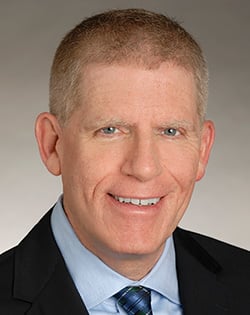 Robert Lowe
10:45 AM - 11:45 AM
With financial stress impacting 88% of employees, the consequences extend far beyond personal finances. For employers, financial stress shows up as lost productivity, higher health care costs, disengagement and increased turnover. It is no longer a silent issue; it is a material business risk. Learn how large, complex organizations are responding to widespread financial stress with scalable, high-impact financial well-being strategies, and how they quantify the true business cost of financial stress and use that data to build the case for action across HR, benefits and executive leadership.
Takeaways
- Understanding the business cost of financial stress
- Addressing stress across generations and compensation levels
- Embedding solutions into total well-being and DEI strategies
-
 Rebecca Liebman
12:00 PM - 1:00 PM
Escalating tariff threats and trade policy uncertainty are reshaping global infrastructure markets. This session examines how protectionist policies impact infrastructure valuations, supply chains and cross-border capital flows. Gain a practical framework for evaluating geographic and sector exposure in today's volatile environment as well as strategies for building resilient portfolios that weather geopolitical headwinds while delivering long-term returns.
Takeaways
- Tariff impacts across infrastructure sectors and asset types
- Evaluating which regions and infrastructure sectors are most vulnerable
- Approaches to reduce geopolitical risk while maintaining diversification and long-term return objectives
-
 Luke D’Alves
12:00 PM - 1:00 PM
Damage from natural disasters costs billions of dollars annually with no geographic area immune, affecting about one in three employees. During natural disasters or weather-related emergencies, employees may face physical dangers, emotional stress or logistical challenges such as displacement, transportation, or access to childcare or health care. As these disasters grow in frequency and intensity, it’s crucial for employers to proactively develop comprehensive plans and secure resources to help employees navigate these crises. This session will cover actionable recommendations to better position employees to navigate crises successfully, ensuring their safety and well-being when they need it most.
Takeaways
- The threat and risk of weather-related disasters to employees’ physical, mental and financial wellness
- Why and how benefits leaders should be involved before, during and after a weather disaster
- Steps to take to develop an action plan specific for your company
-
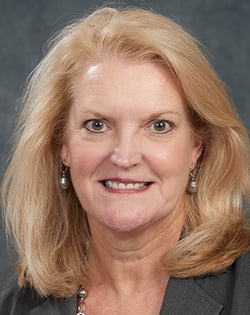 Tracy Watts
12:00 PM - 1:00 PM
Explore the workplace impacts of living with obesity—such as lessened productivity, higher absenteeism and disability struggles—along with annual health spending outcomes and ways employers can support obesity management within their organizations. Learn from an obesity specialist regarding the unmet needs created by obesity as well as the treatment opportunities for employees living with obesity.
Takeaways
- The impact of living with obesity on employees at work
- Understand the underlying physiology of obesity
- Opportunities to help employees in their weight-loss journey
Pricing
ISCEBS or International Foundation Member
$1,550 through 7/21/26
Nonmember *
$1,815 through 7/21/26
New CEBS Graduate or New GBA or RPA Designee *
$1,350 / $1,510
* Includes a membership